Learning the months is one of the first steps when you begin studying German. It’s a small but essential building block that helps you read calendars, plan trips, understand dates, and feel more confident in everyday conversations. This guide gives you a clear list of all German months, their pronunciations, and a few useful notes to help you remember them more easily.
📅 The 12 Months in German (with Pronunciation)
| German | Pronunciation | English |
|---|---|---|
| Januar | Yah-noo-ahr | January |
| Februar | Fay-broo-ahr | February |
| März | Mehrts | March |
| April | Ah-pril | April |
| Mai | My | May |
| Juni | Yoo-nee | June |
| Juli | Yoo-lee | July |
| August | Ow-goost | August |
| September | Zept-em-ber | September |
| Oktober | Ok-toh-ber | October |
| November | No-vehm-ber | November |
| Dezember | Deh-tsem-ber | December |
🔊 Pronunciation Tips
- The “r” at the end of many German months is softer than in English—more of a light vibration.
- The “u” in Februar and August sounds like the “oo” in boot.
- The “z” in September is pronounced like “ts” (as in bits).
📝 Additional Notes for Learners
- All months are capitalized in German because they are nouns.
- Some months, like März and Mai, are rarely abbreviated.
- Common abbreviations such as Jan., Feb., Okt., etc., are used informally.
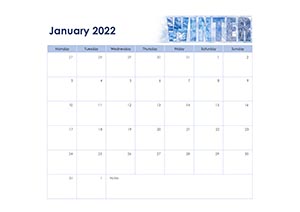
Months in german for print


PDF A4 | PDF Letter | DOCx A4 | DOCx Letter
🎯 Conclusion
Mastering the months in German is quick and straightforward, and it gives you a solid foundation for reading schedules, planning events, and navigating everyday situations. With these pronunciations and tips, you’ll be able to recognize and use all twelve months confidently. Keep practicing, and soon they’ll feel completely natural!


Leave a Reply