Tracing dotted lines is one of the most effective early learning activities for young children. It blends playful exploration with essential developmental benefits, helping kids strengthen fine motor skills, improve coordination, and prepare for handwriting. Printable dotted‑line worksheets featuring people, animals, and simple shapes make this activity accessible both at home and in the classroom.
⭐ Why Dotted Line Tracing Matters in Early Childhood Development
✋ Developing Fine Motor Skills
Following dotted paths encourages children to use the small muscles in their hands and fingers. As they trace, they learn to control pressure, stabilize their grip, and move with intention. These foundational skills support writing, drawing, cutting, and many everyday tasks.
👀 Strengthening Hand‑Eye Coordination
Tracing requires children to visually follow a path and translate what they see into controlled hand movements. This connection between vision and action is essential for handwriting, sports, playing instruments, and other coordinated activities.
✍️ Preparing Children for Handwriting
Dotted lines act as a gentle introduction to writing. Kids learn how to start and stop strokes, follow directionality, and maintain consistent movement. Over time, this practice builds the muscle memory needed to form letters and numbers confidently.
🎉 Making Learning Enjoyable
Tracing dotted lines is naturally engaging. Children enjoy the rhythm of following a path, and completing a picture gives them a sense of accomplishment. This positive experience boosts motivation and confidence during early learning.
🧩 How to Use Dotted Line Tracing Activities Effectively
🔵 Begin with Simple Shapes
Start with large, uncomplicated lines and curves. As children gain control, gradually introduce more detailed patterns, characters, and animals.
🖍️ Offer Gentle Guidance
Show children how to hold their pencil comfortably and how to follow the dotted path without rushing. Demonstrating a few strokes can help them understand the movement.
🪑 Support Good Posture
A stable sitting position helps children trace more accurately. Encourage them to sit upright, keep their feet on the floor, and work at a comfortable table height.
🎨 Add Variety to Keep Interest High
Use worksheets with different themes, colors, and styles. Children stay more engaged when each page feels new and exciting.
🌈 Encourage Creativity
Let children choose their favorite colors or decorate the traced lines. Adding creative touches makes the activity more personal and enjoyable.
🏆 Celebrate Progress
Positive reinforcement helps children stay motivated. Acknowledge their effort, improvement, and completed pages to build confidence.
🔄 Adjust Difficulty as Needed
Observe how children handle each worksheet. If a pattern feels too easy or too challenging, switch to a more suitable level.
🧑🏫 Seek Guidance When Necessary
If a child consistently struggles with tracing or shows signs of developmental delay, consulting an early childhood specialist or teacher can provide helpful direction.
📥 Download Dotted Line Tracing Worksheets
👧 People
- Girl
- Boy
- Child
- Football player
- Woman
- Young woman
- Guy
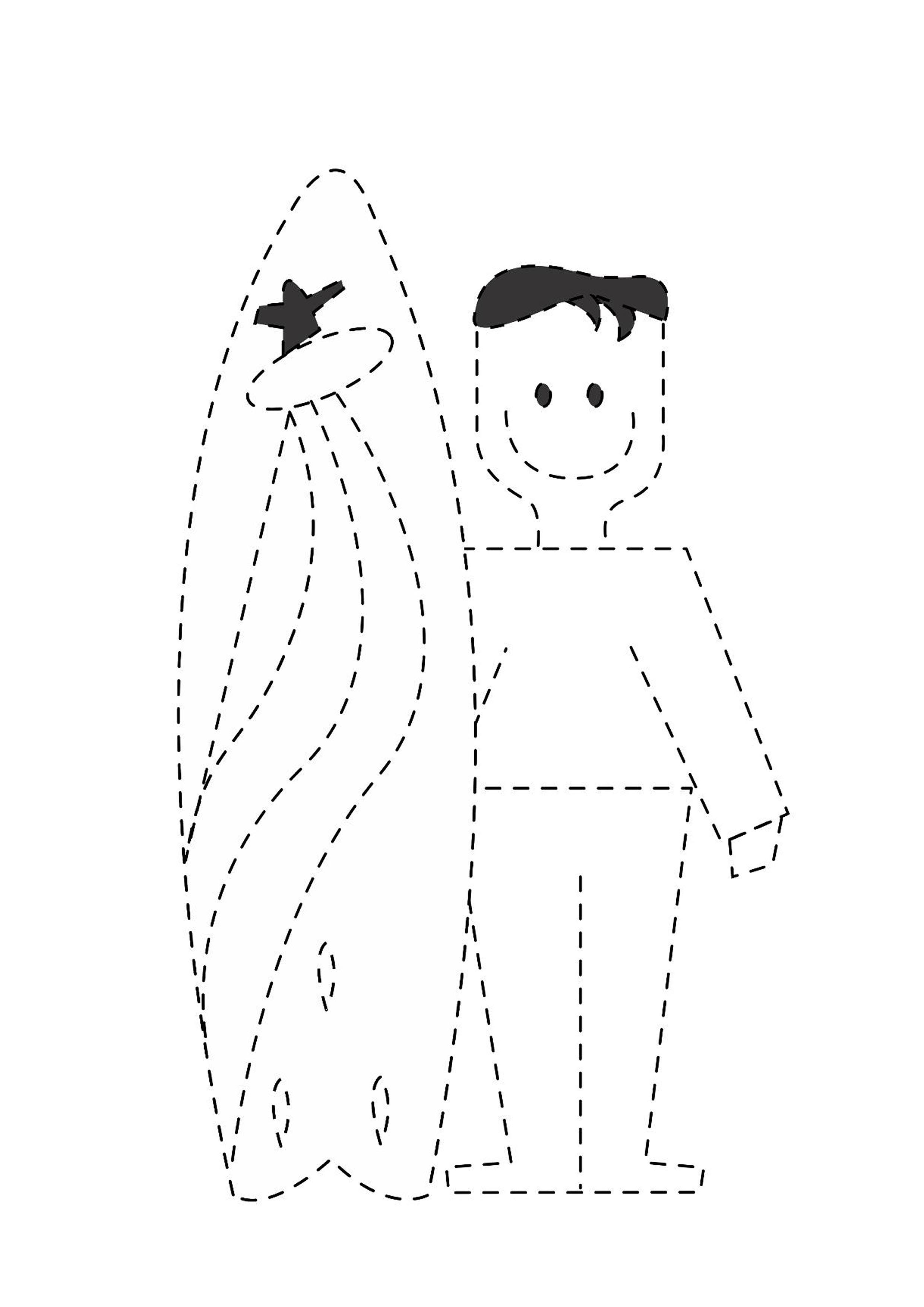
- Surfer
🐾 Animals
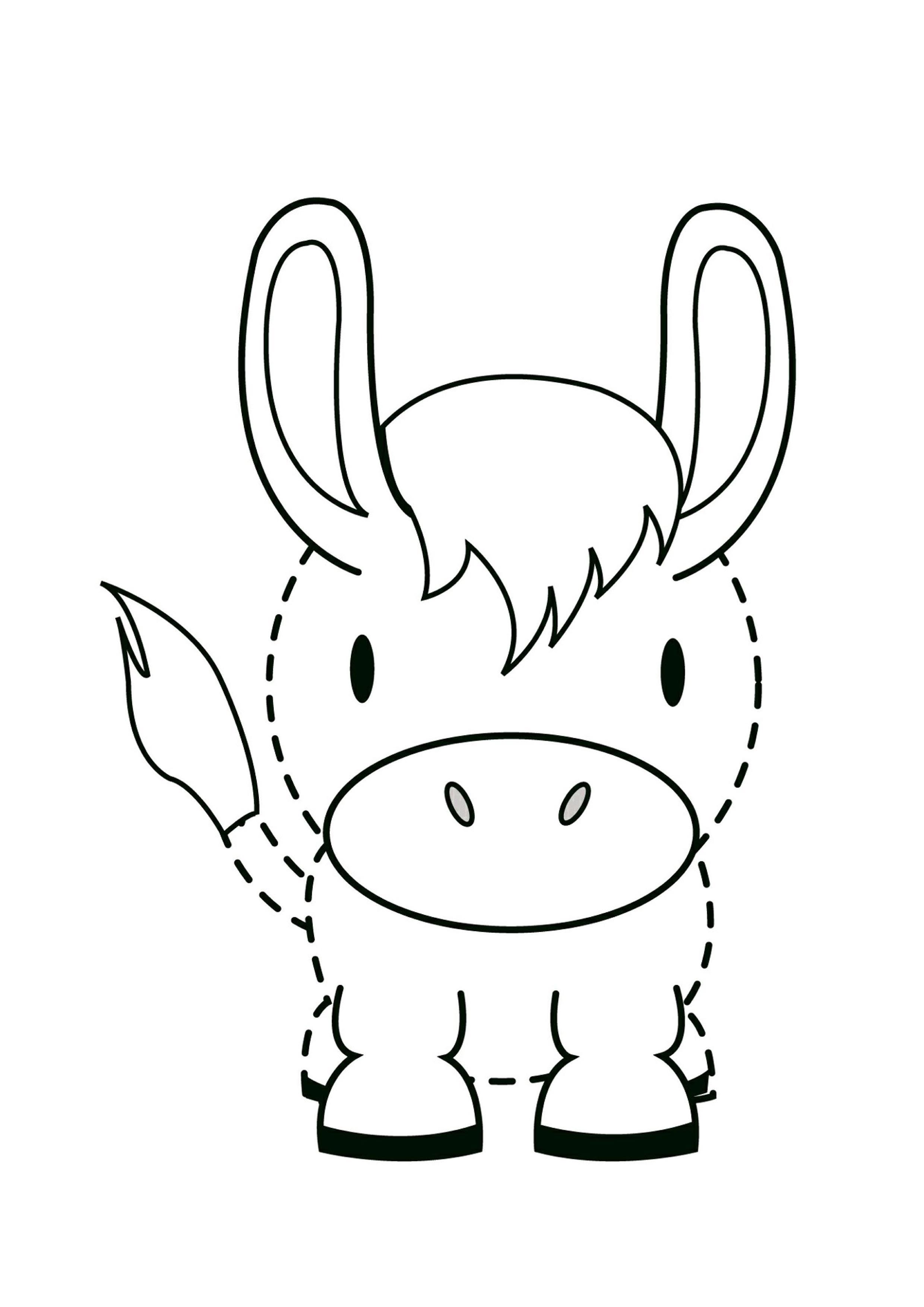
- Donkey
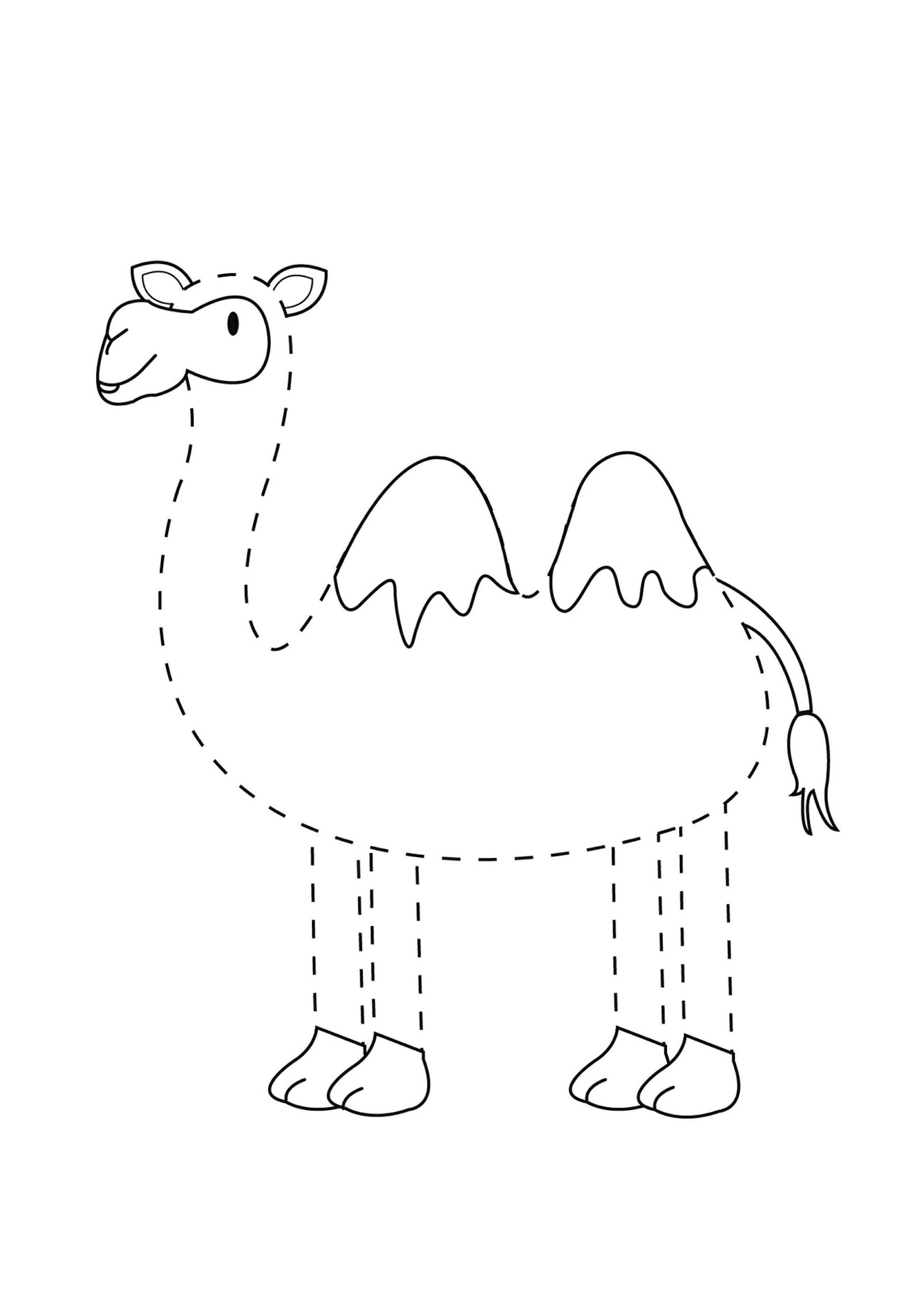
- Camel
- Dog
- Puppy
- Cat
- Lion
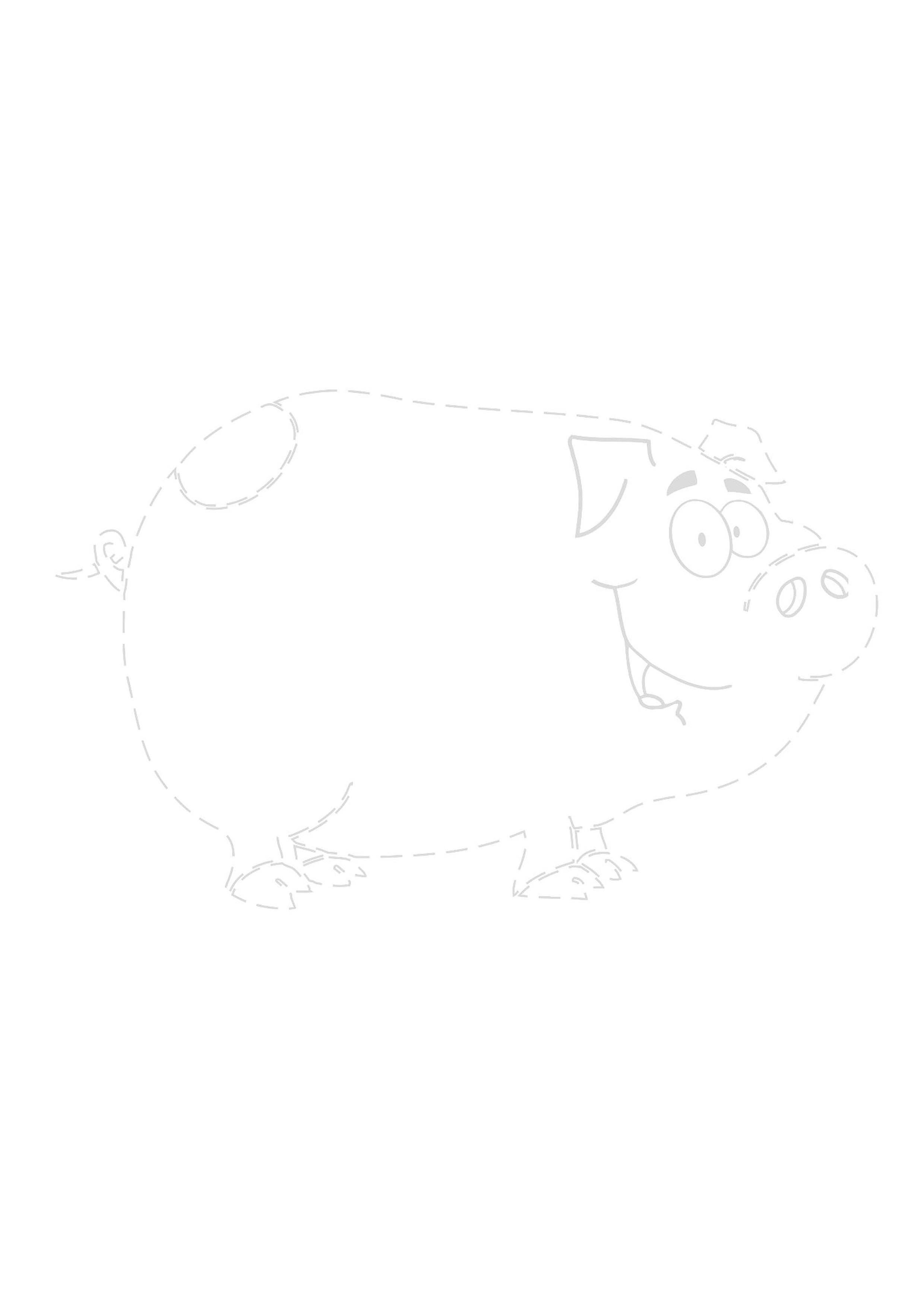
- Piggy
- Marmot
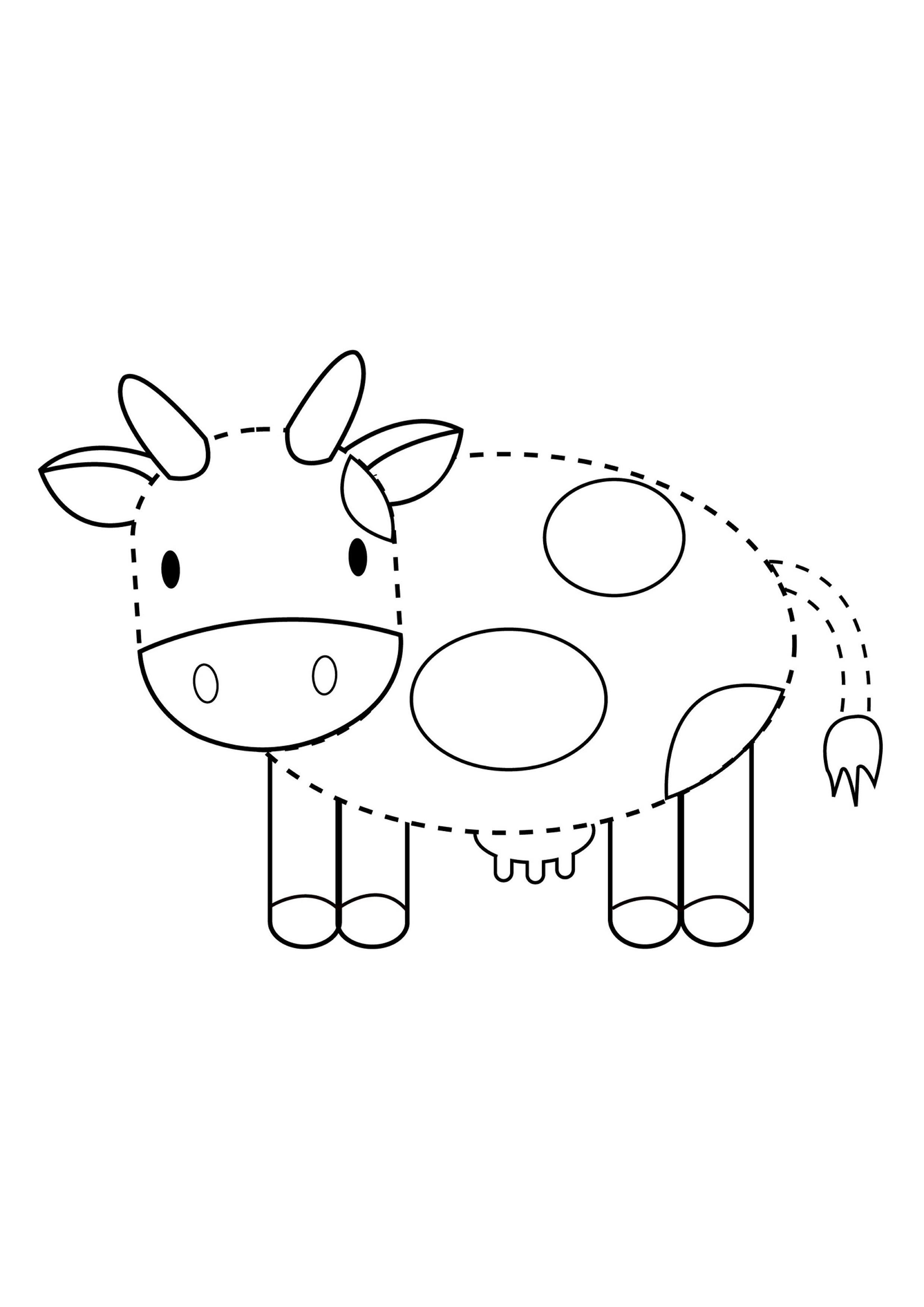
- Cow
- Spider
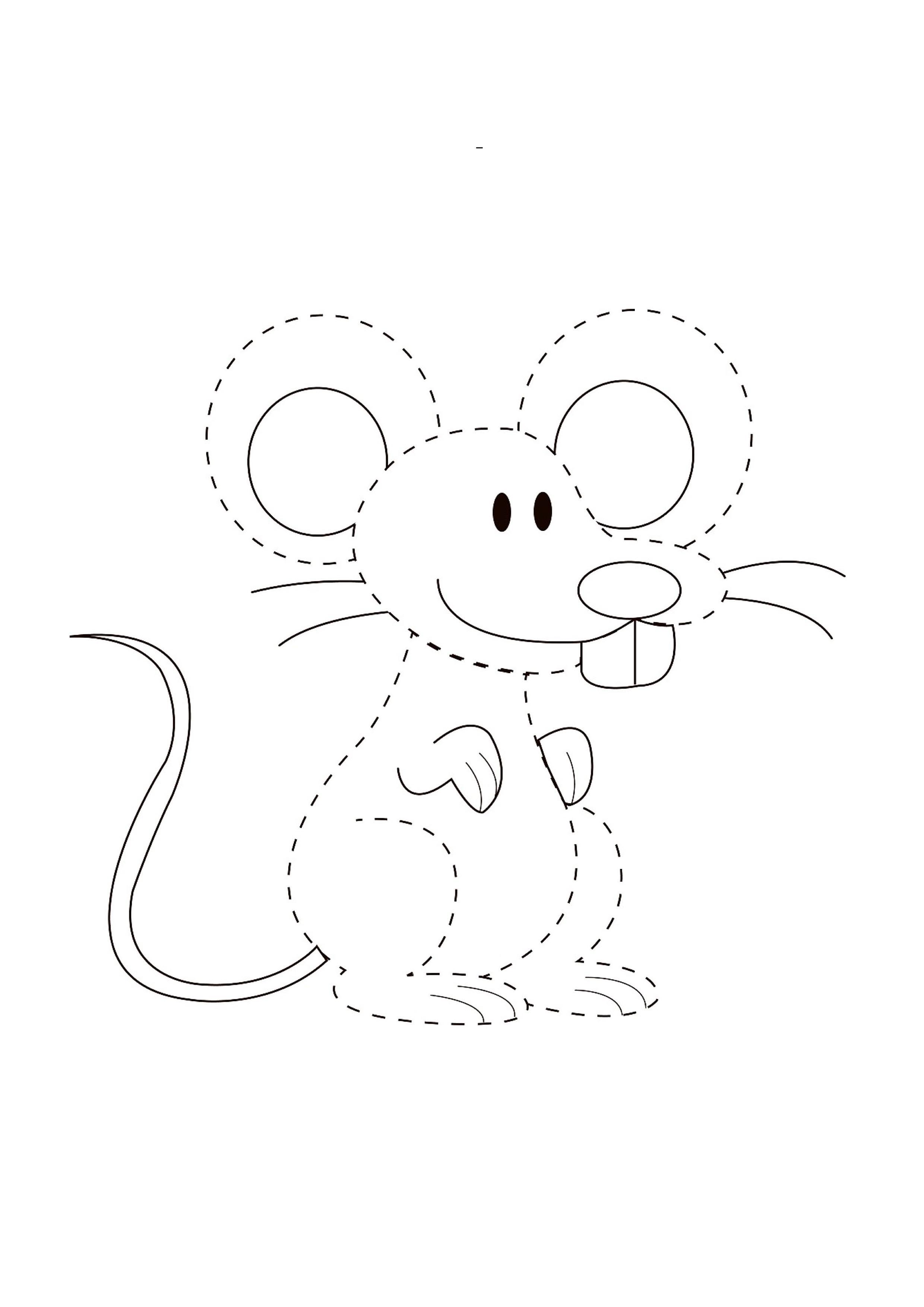
- Mouse
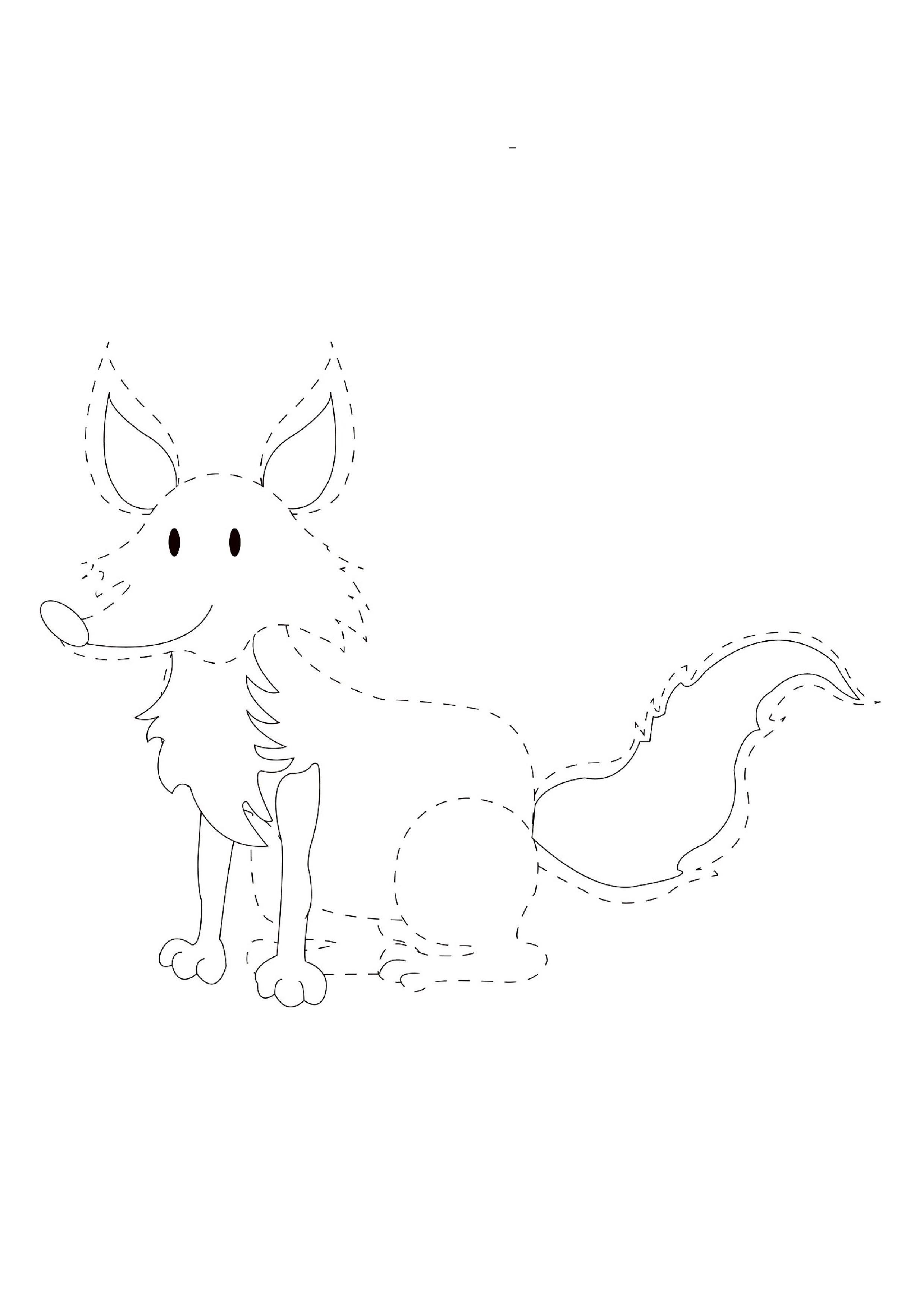
- Fox
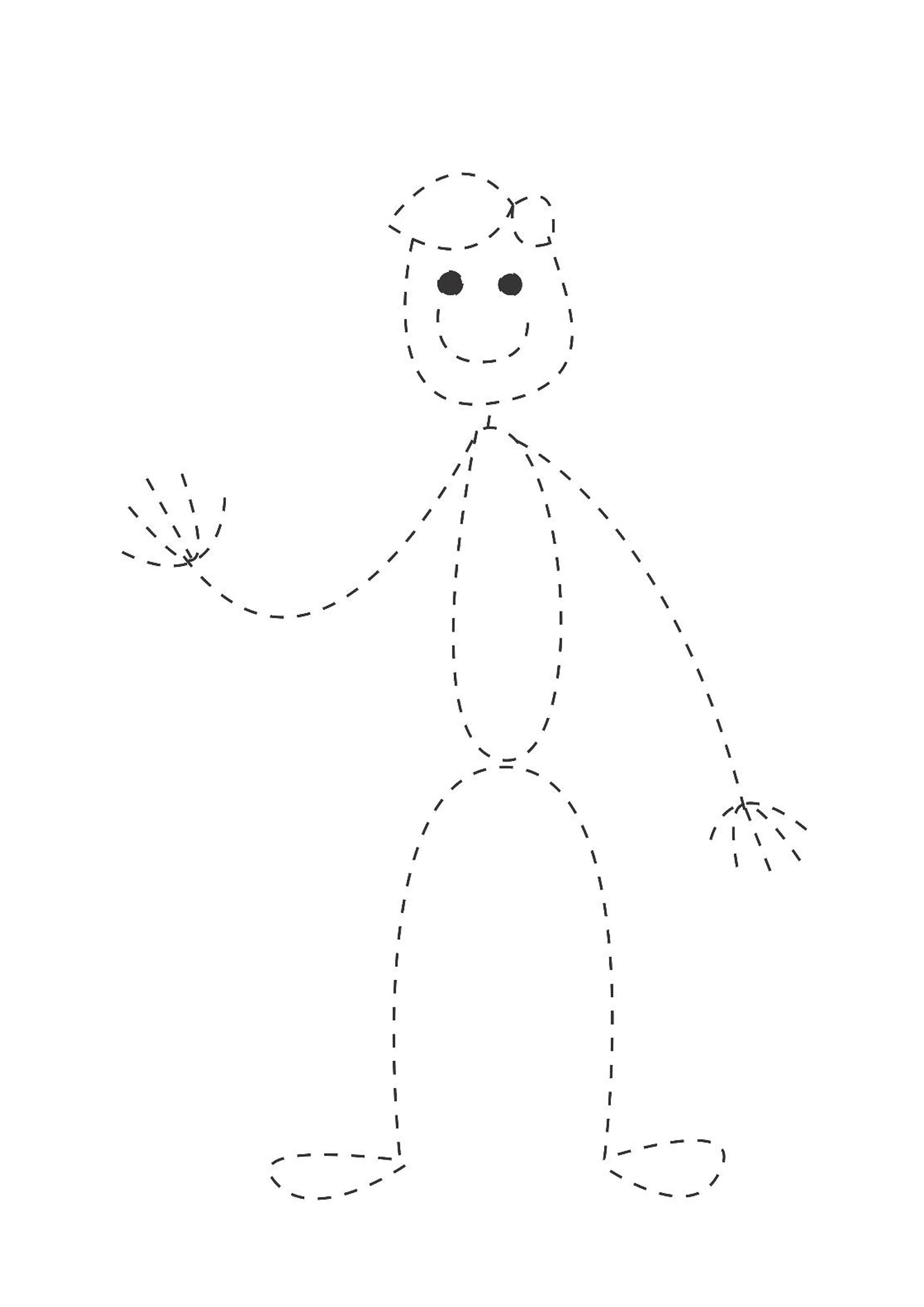
Download dotted line drawings

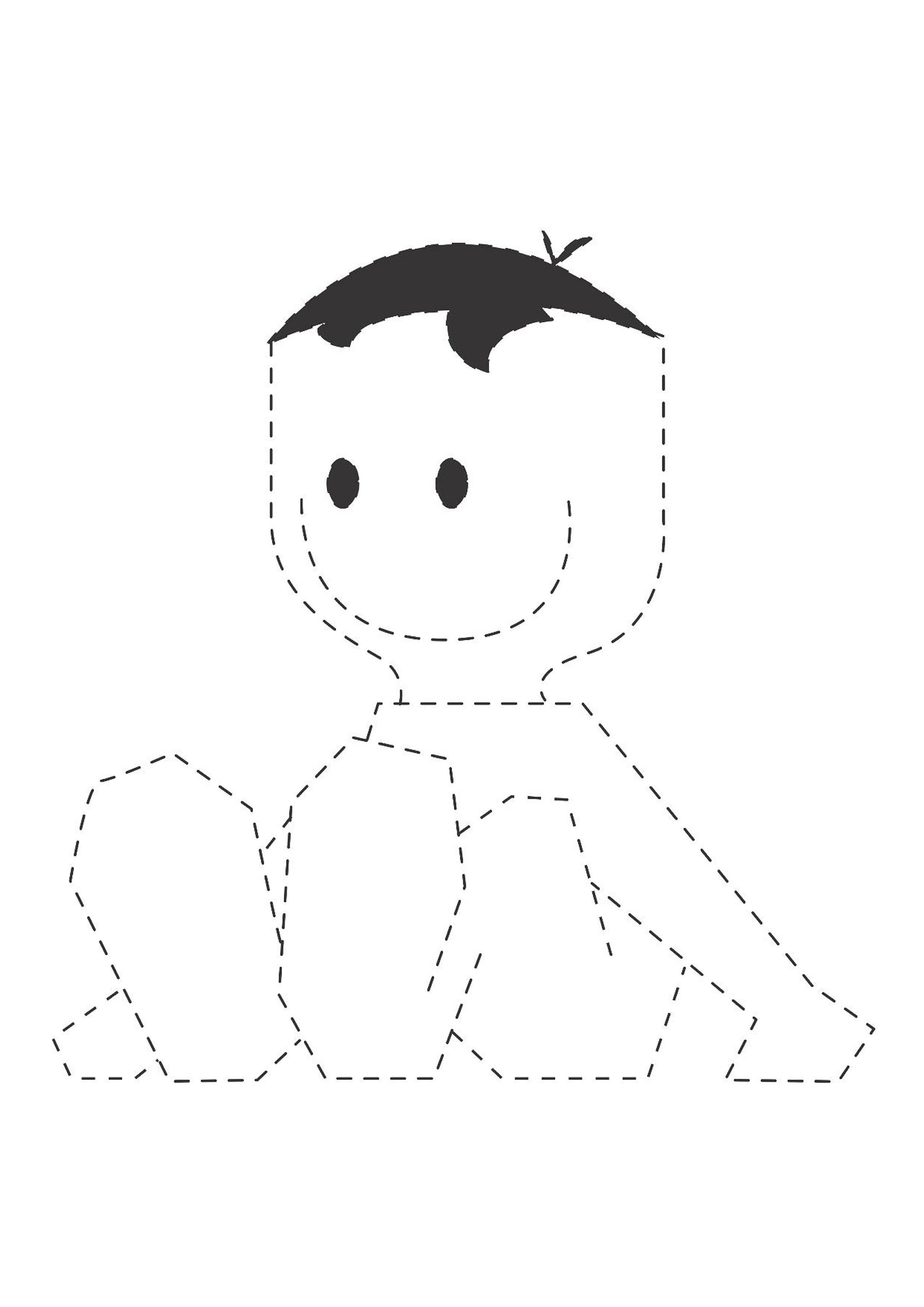
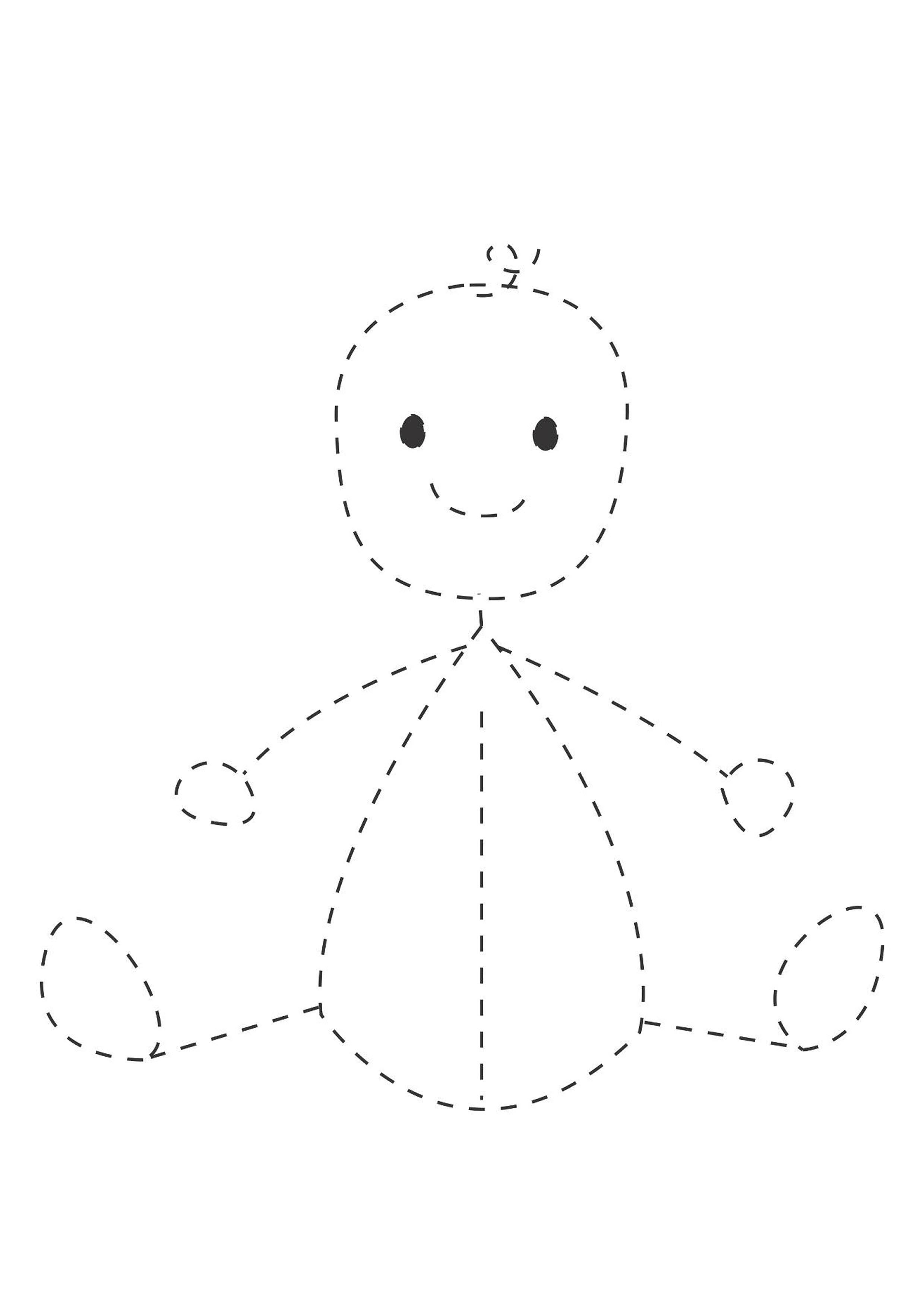
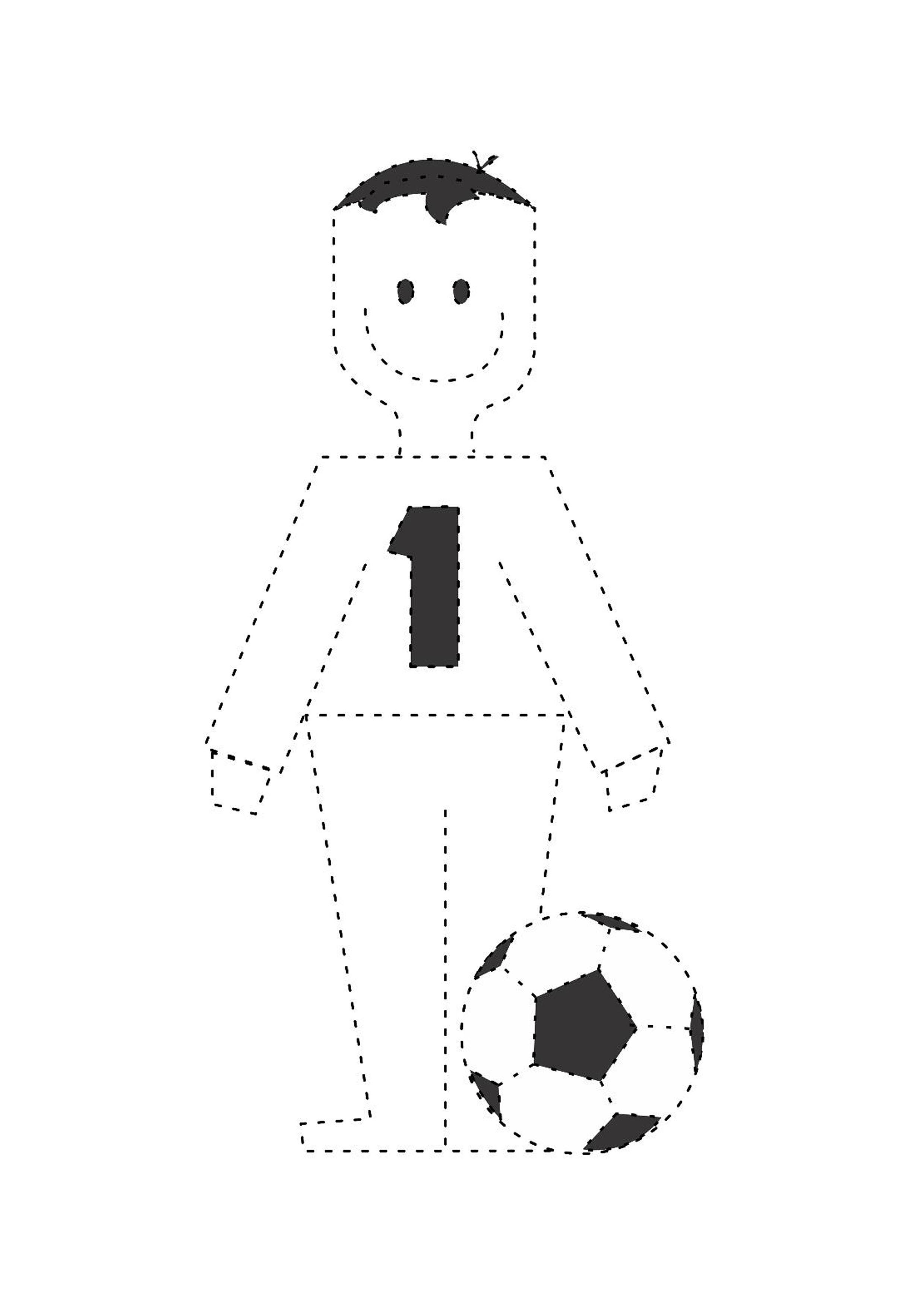
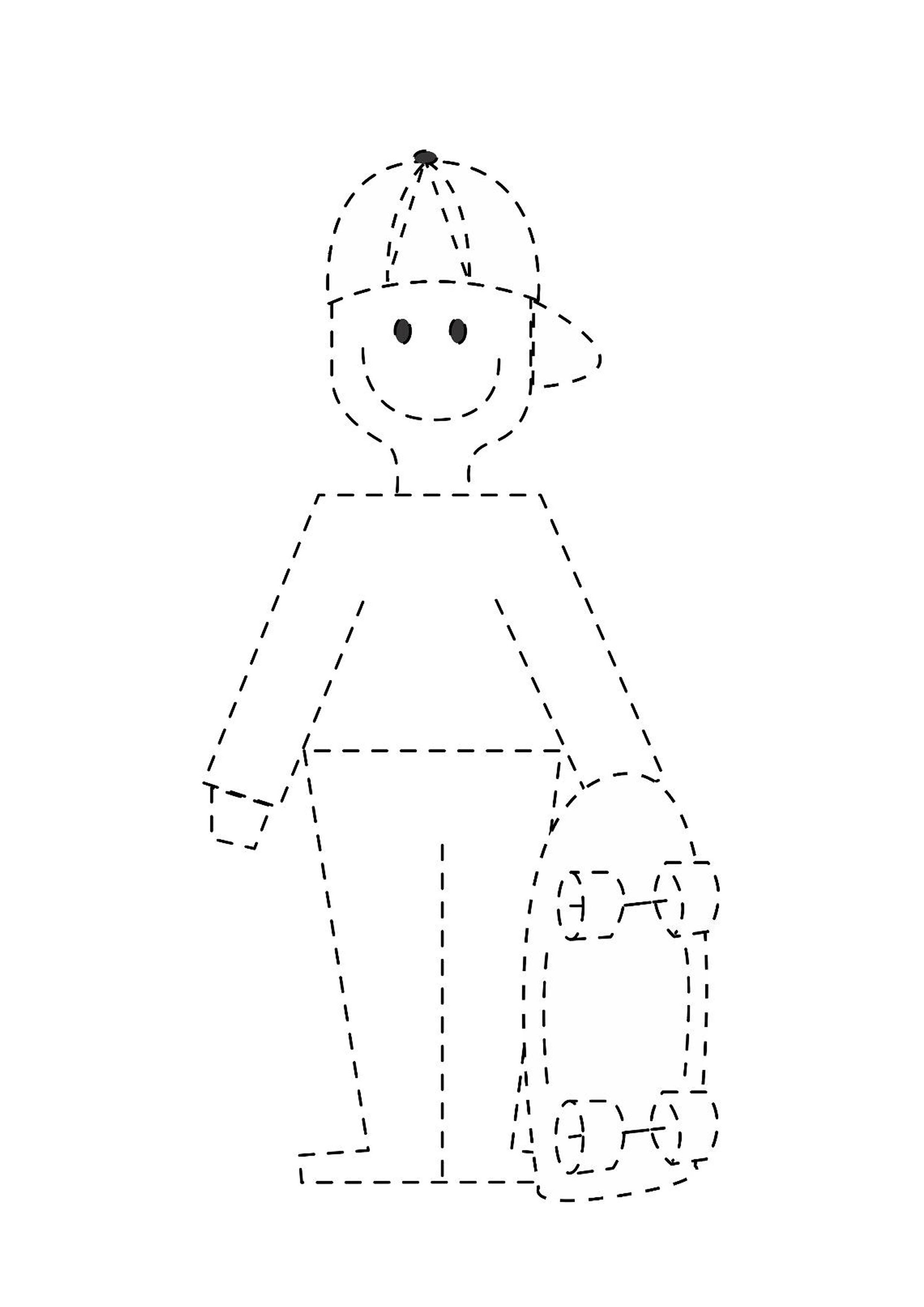
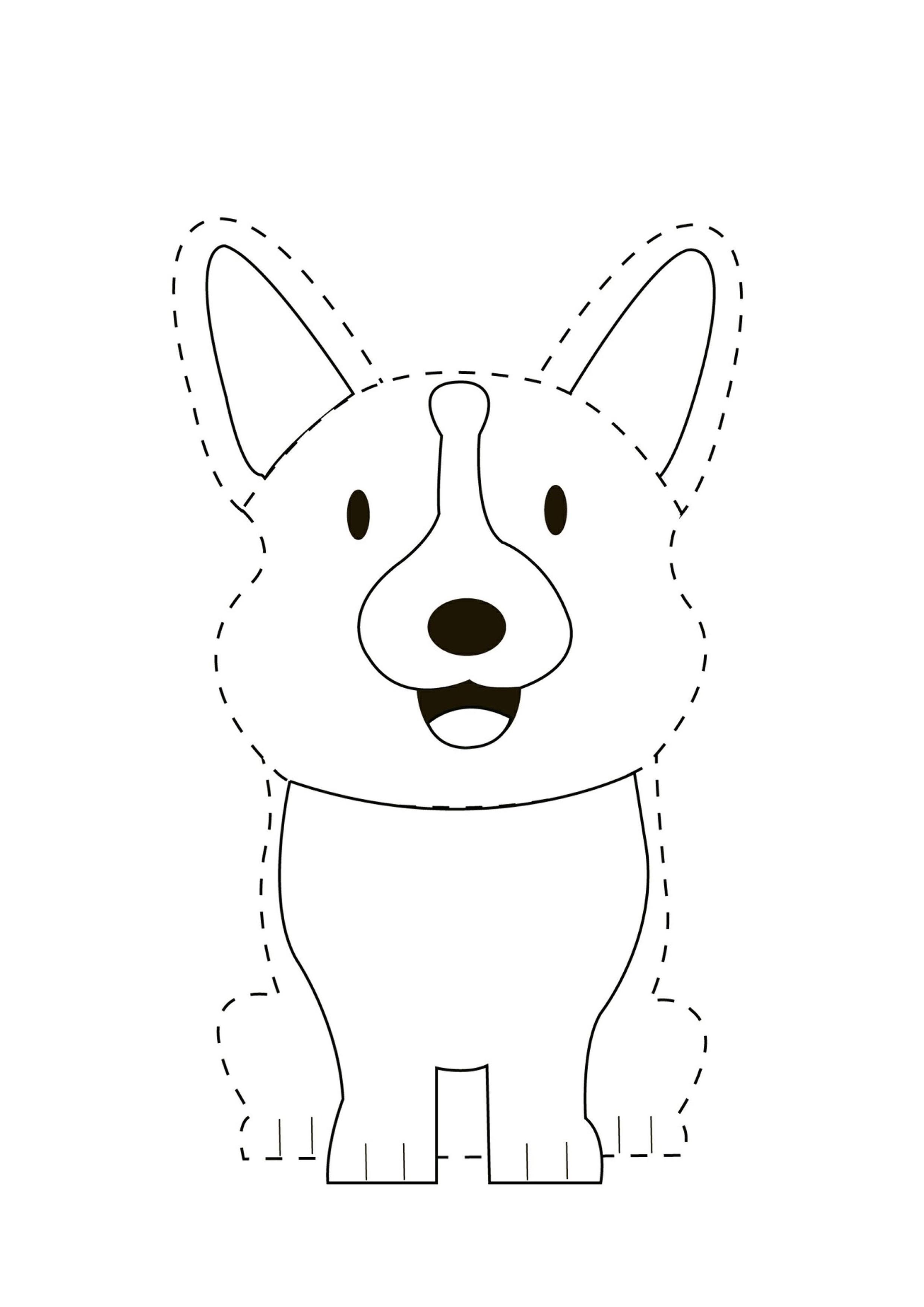
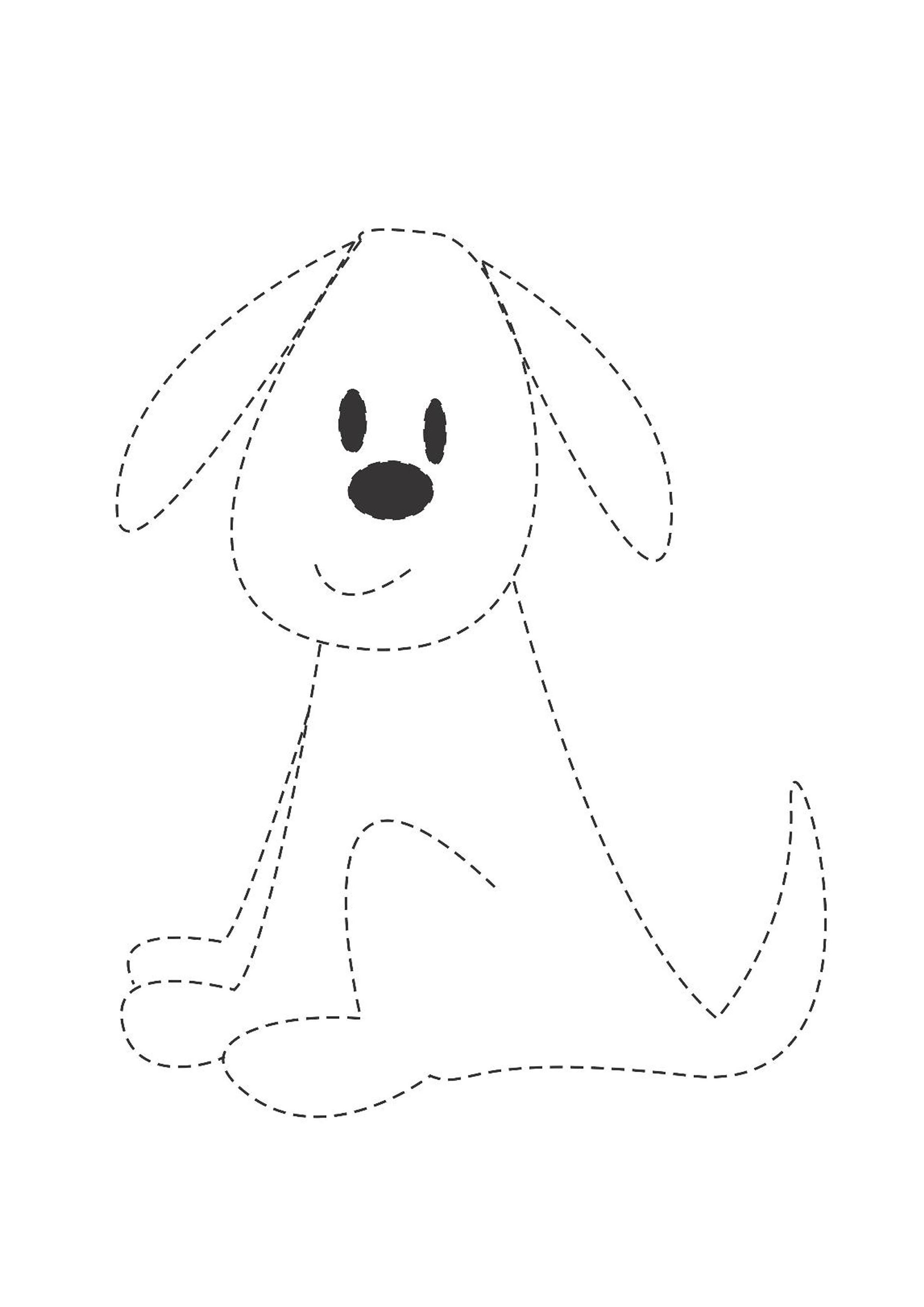
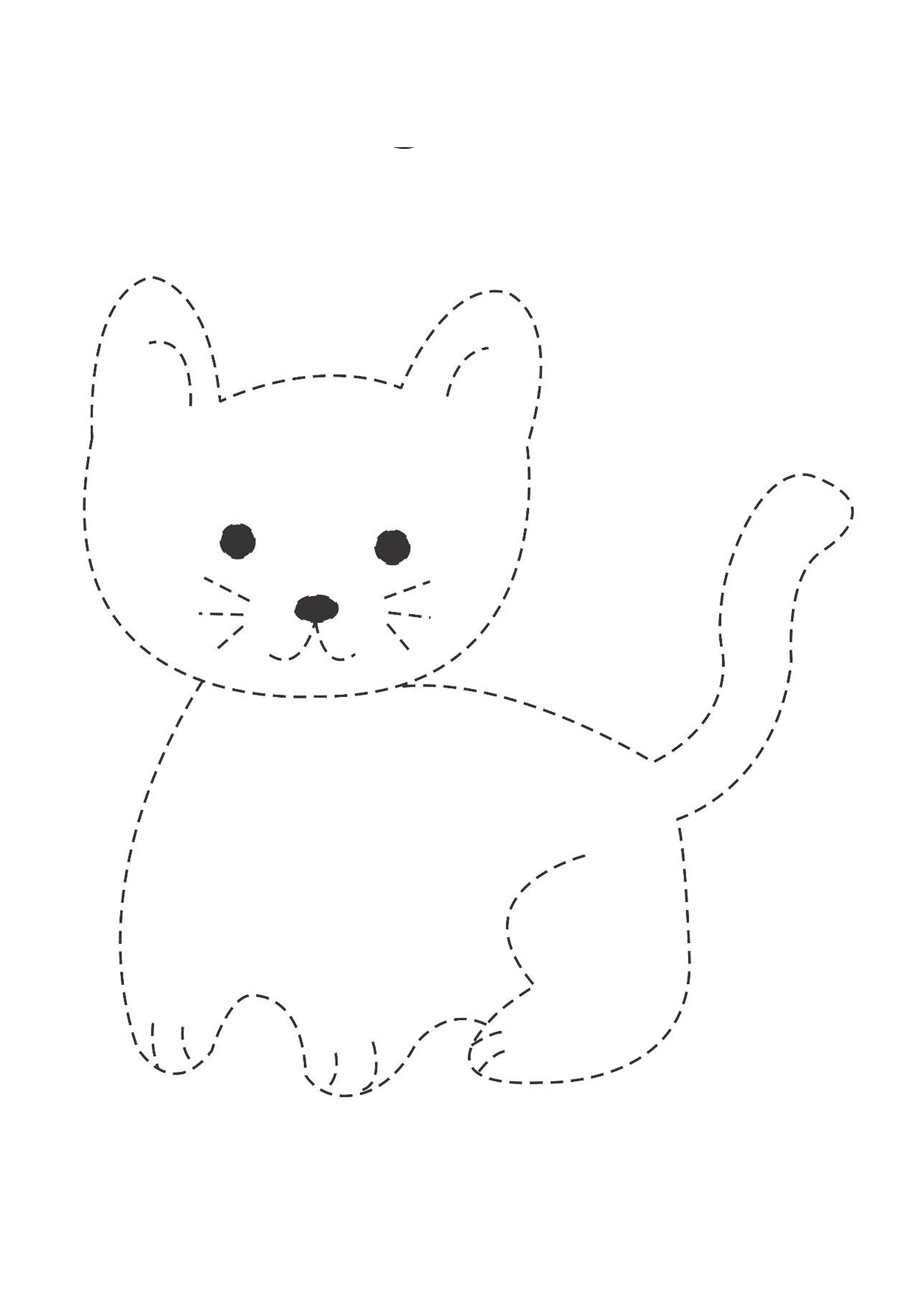
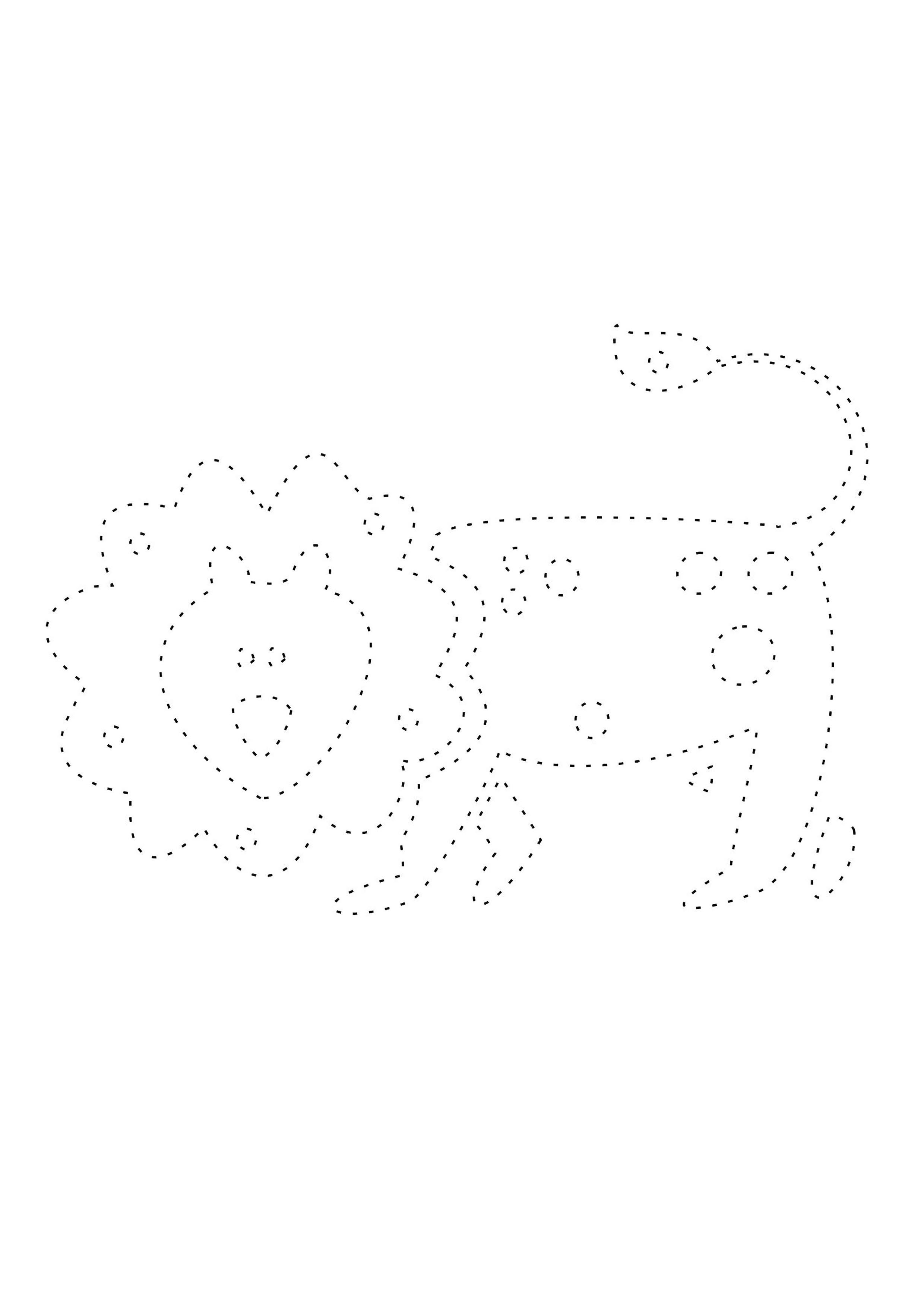
Animals dotted lines


🧠 Conclusion
Tracing dotted lines is a simple yet powerful activity that supports early childhood development in meaningful ways. It strengthens fine motor skills, improves hand‑eye coordination, and prepares children for handwriting — all while offering a fun and rewarding learning experience. With a variety of printable materials, gentle guidance, and plenty of encouragement, children can enjoy tracing as a playful step toward building essential lifelong skills.
Related Posts:
- ABC tracing worksheets

- Crosswords for kids: download and print
- Number 1 for coloring

- Cut out pictures of animals

- Letter writing Alphabet
- Graphic dictation

- Spider template

- Stroke number

- Coloring by numbers for 7 years: download and print
- Educational game for kids: collect the picture

- Train template

- Children’s game Bingo: download and print


Leave a Reply