Losing a dog is an emotional and distressing experience for any family. Pets quickly become beloved companions, and their sudden disappearance can leave both adults and children feeling anxious and heartbroken. Acting quickly is essential, and one of the most effective tools in the search process is a well‑designed lost dog flyer. A clear, informative, and eye‑catching poster can significantly increase the chances of reuniting with your missing pet.
This guide explains what a lost dog flyer is, what information it should include, and how to distribute it effectively to maximize visibility and community support.
What Is a Lost Dog Flyer?
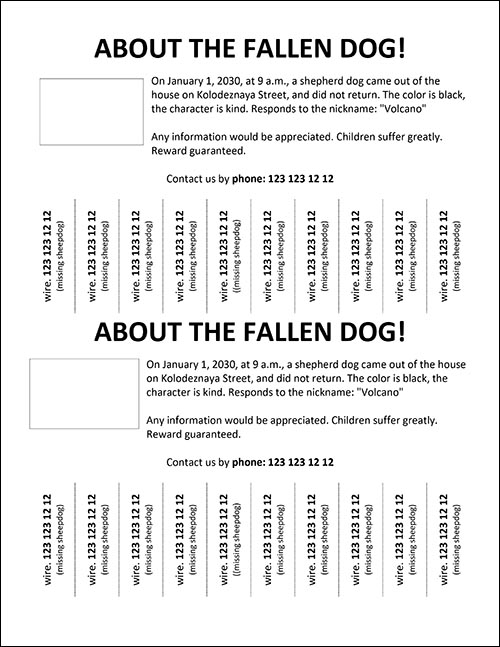
A lost dog flyer is a printed or digital poster designed to inform the public about a missing dog. It typically includes a photo, identifying details, and contact information for the owner. The goal is to alert as many people as possible so that someone who spots the dog can quickly reach out and help bring it home.
Essential Elements of a Lost Dog Flyer
A successful flyer should be clear, concise, and visually striking. Include the following key components:
1. A Large, Clear Photo
Use a high‑quality image that shows the dog’s face and distinctive features. Bright, well‑lit photos are more likely to catch attention and help people recognize the dog.
2. Dog’s Name and Breed
Display the dog’s name in bold, easy‑to‑read text. If the dog is a mixed breed, describe its general appearance or list the primary breeds.
3. Distinguishing Features
Mention any unique markings, colors, scars, or accessories such as a collar, harness, or tags. If the dog is microchipped, note that as well.
4. Last Seen Information
Provide the date, time, and exact location where the dog was last spotted. If there were unusual circumstances—such as a gate left open or a loud noise that caused the dog to run—include those details.
5. Contact Information
List your name, phone number, and email address clearly. If you are offering a reward, state it prominently.
6. Additional Details
Include the dog’s age, gender, temperament, and any medical conditions. This information can help people approach the dog safely and responsibly.
Tips for Creating an Effective Lost Dog Flyer
Use a Large, Eye‑Catching Format
Bigger flyers are easier to notice. Use bold fonts and contrasting colors to make the text stand out.
Keep the Layout Clean and Organized
Divide information into sections with headings and bullet points. A clear structure helps people quickly understand the key details.
Proofread Before Printing
Check for spelling or formatting errors to ensure the flyer looks professional and trustworthy.
Distribute Widely
Place flyers in high‑traffic areas such as:
- Veterinary clinics
- Pet stores
- Grocery stores
- Community boards
- Parks and walking paths
Also share the flyer online through social media, neighborhood groups, and local lost‑and‑found pet pages.
Additional Tips for Finding a Lost Dog
Notify Local Shelters and Rescue Groups
Provide them with a description and photo of your dog. Many shelters keep logs of found animals.
Talk to Neighbors
Go door‑to‑door, hand out flyers, and ask if anyone has seen your dog. Sometimes pets hide in nearby yards or garages.
Search the Area
Walk or drive around the neighborhood, especially during quiet times of day. Check parks, wooded areas, and places your dog enjoys visiting.
Use Social Media
Post updates, share photos, and join local community groups. Online visibility can spread quickly and reach people you might not meet in person.
Stay Positive and Persistent
Many lost dogs are found days or even weeks later. Consistent effort greatly increases the chances of a happy reunion.
Download flyer Lost dog
Conclusion
A lost dog flyer is one of the most powerful tools you can use when searching for a missing pet. By including clear information, using an eye‑catching design, and distributing the flyer widely—both in print and online—you significantly improve the chances of bringing your dog home safely. Stay proactive, keep communicating with your community, and never lose hope. With persistence and the right approach, many families are joyfully reunited with their beloved pets.
Related Posts:
- Resume template in Word: download sample

- Monopoly board template
- Cafe menu template

- Trace the dotted lines

- Seasons cards

- Children’s game Bingo: download and print

- Calendar for January, February, March 2026

- Brochure template in Word: free download

- Flame silhouette

- Printable sleep tracker
- Luggage Tag Templates to Print for Your Suitcase
- Yearly calendar 2027


Leave a Reply